
Dr. Johnson Pandit Asiama, Bank of Ghana (BoG) Governor, has given the strongest hint yet that the monetary authority will cut its benchmark Monetary Policy Rate (MPR) as economic indicators strengthen across multiple fronts
In remarks during the 125th Monetary Policy Committee (MPC) meeting opening – initially scheduled to take place from Monday, July 28, 2025 to Wednesday July 30, 2025 but brought forward to Thursday, July 17, 2025 – the Governor suggeted that recalibration is the natural response to six consecutive months of declining inflation, a dramatic strengthening of the cedi and need to further support the real economy.
He highlighted that headline inflation had fallen to 13.7 percent in June, down from 23.8 percent in December 2024 and representing the lowest level since December 2021.
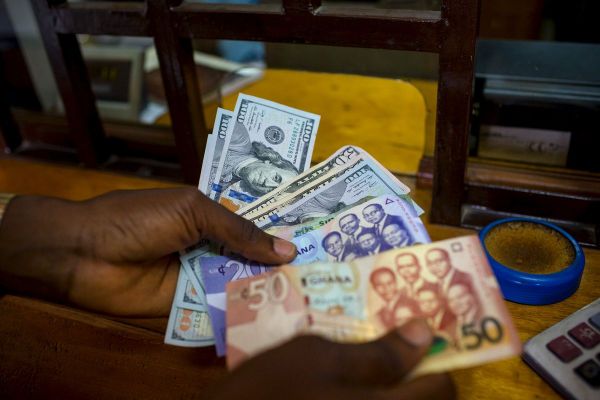
The sustained disinflation has been accompanied by a 42.6 percent year-to-date appreciation of the cedi against major trading currencies.
“As we begin today’s deliberations, the key question is whether the current macroeconomic configuration permits a recalibration of the policy stance. With inflation expectations more firmly anchored, external buffers strengthened and confidence returning, we must assess how to support the recovery without compromising the gains achieved,” Dr. Asiama said.
The Governor’s remarks come as multiple economic indicators point to strengthening fundamentals, with foreign reserves having exceeded US$11billion – equivalent to 4.8 months of import cover.
Meanwhile, the country recorded a provisional trade surplus of US$5.6billion in first half 2025, supported by robust gold and cocoa export receipts.
Private sector credit growth has accelerated to 19.9 percent in April 2025, up from 10.8 percent a year earlier – a pointer to improved lending conditions as banks’ balance sheets strengthen.
Furthermore, the central bank’s Composite Index of Economic Activity rose 4.4 percent yearly in May while purchasing managers’ index readings have shown rising business and consumer confidence.
Real Gross Domestic Product (GDP) expanded by 5.3 percent for first quarter 2025, driven by strong performance in the agriculture and services sectors.
Non-oil GDP growth reached 6.8 percent, suggesting broad-based economic recovery beyond the traditional oil-dependent sectors.
The external position has shown marked improvement, with the current account surplus widening to US$3.4billion over the year’s first half.
Improved investor sentiment, bolstered by Ghana’s IMF-supported programme and better credit ratings, has strengthened foreign exchange inflows.