
The global reparations movement must evolve beyond symbolic gestures and monetary compensation into a fundamental restructuring of international systems.
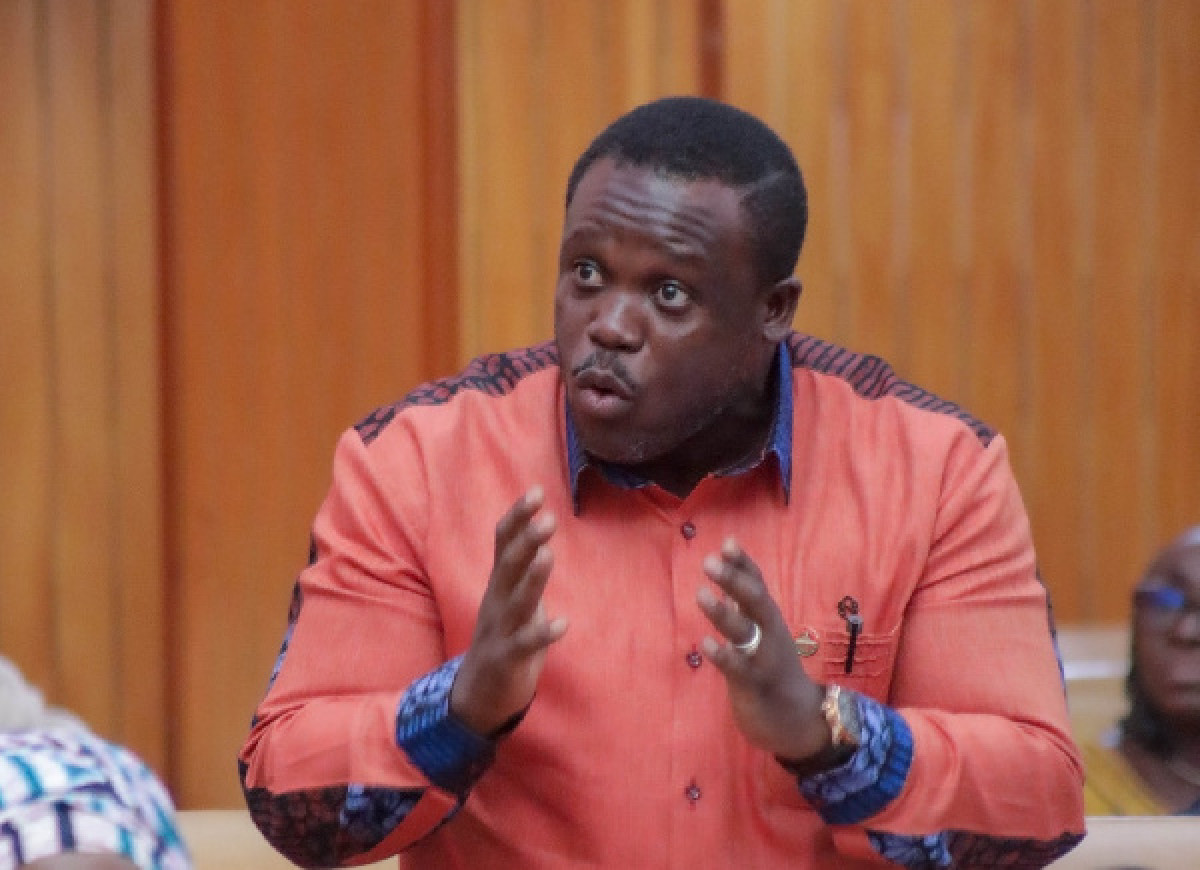
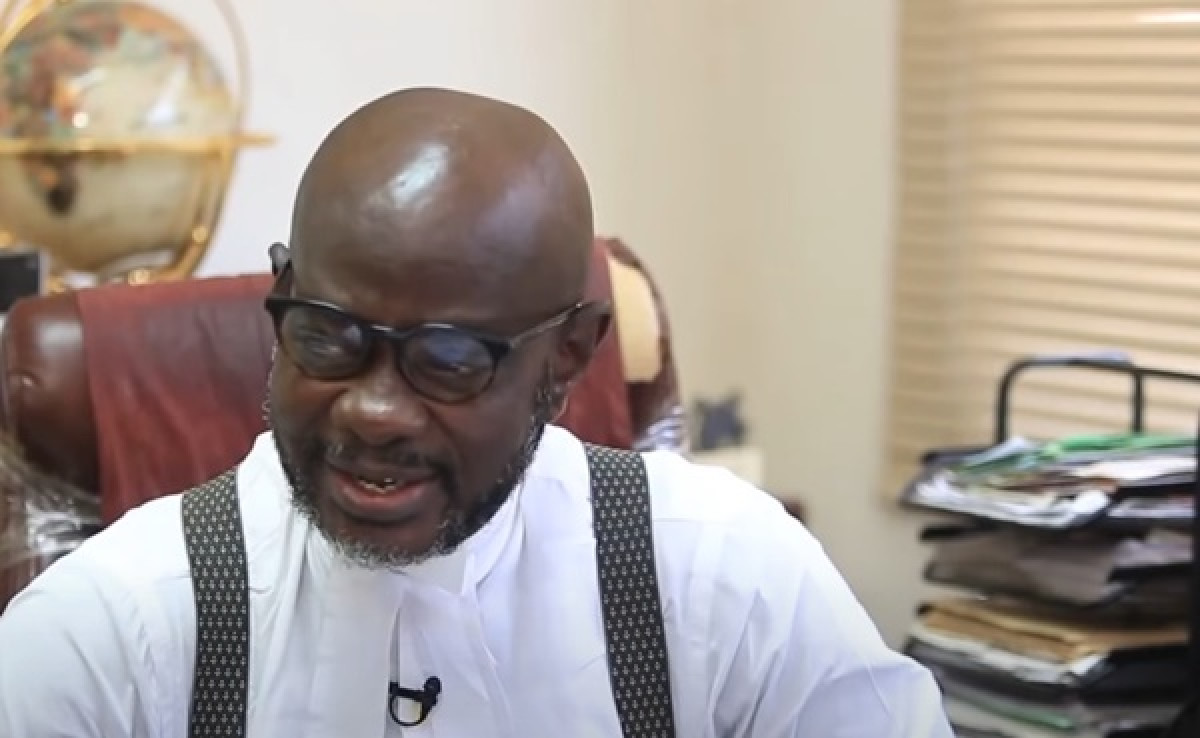
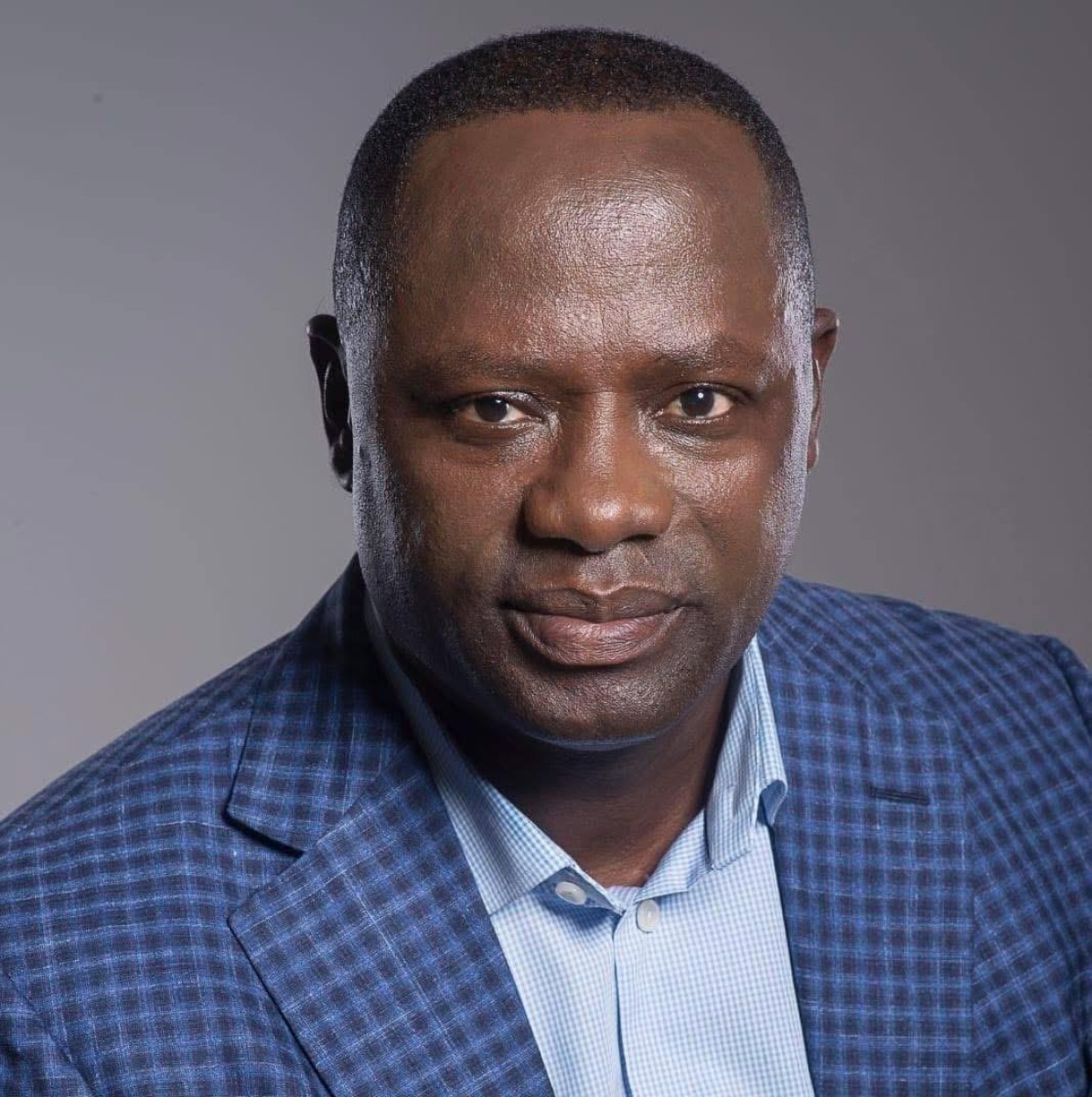
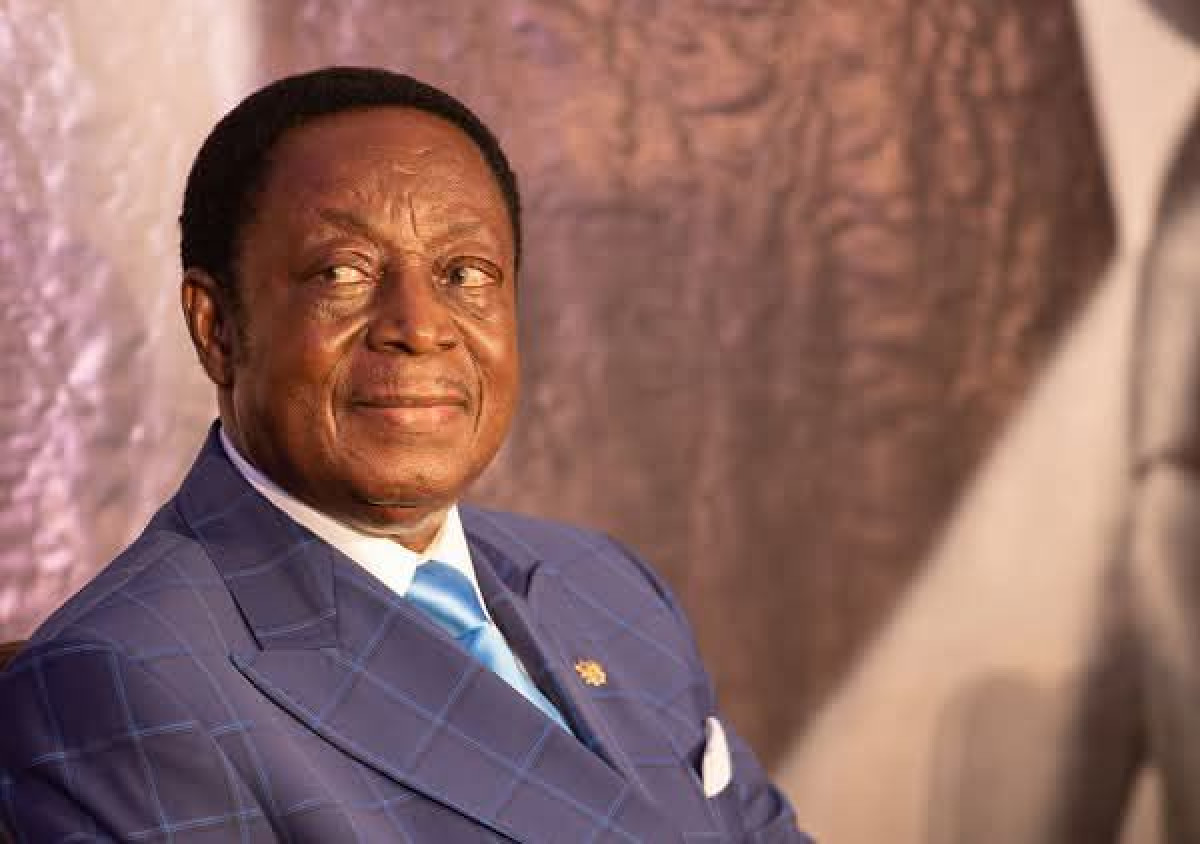
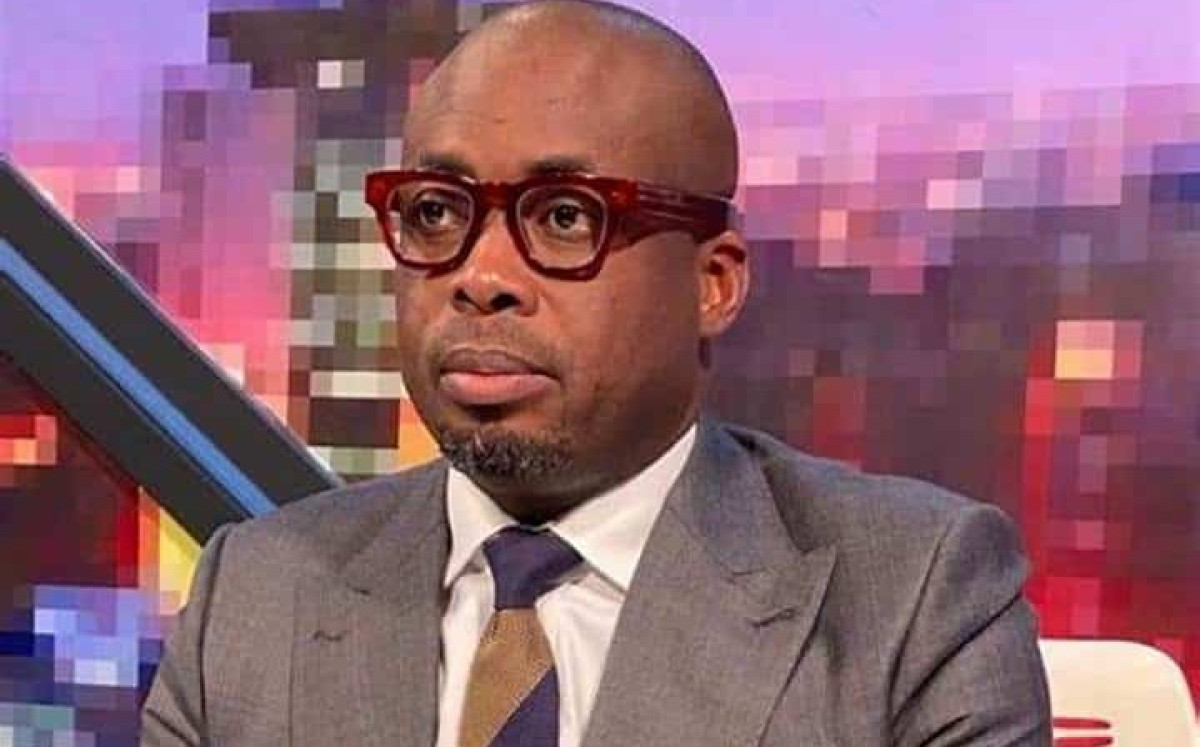
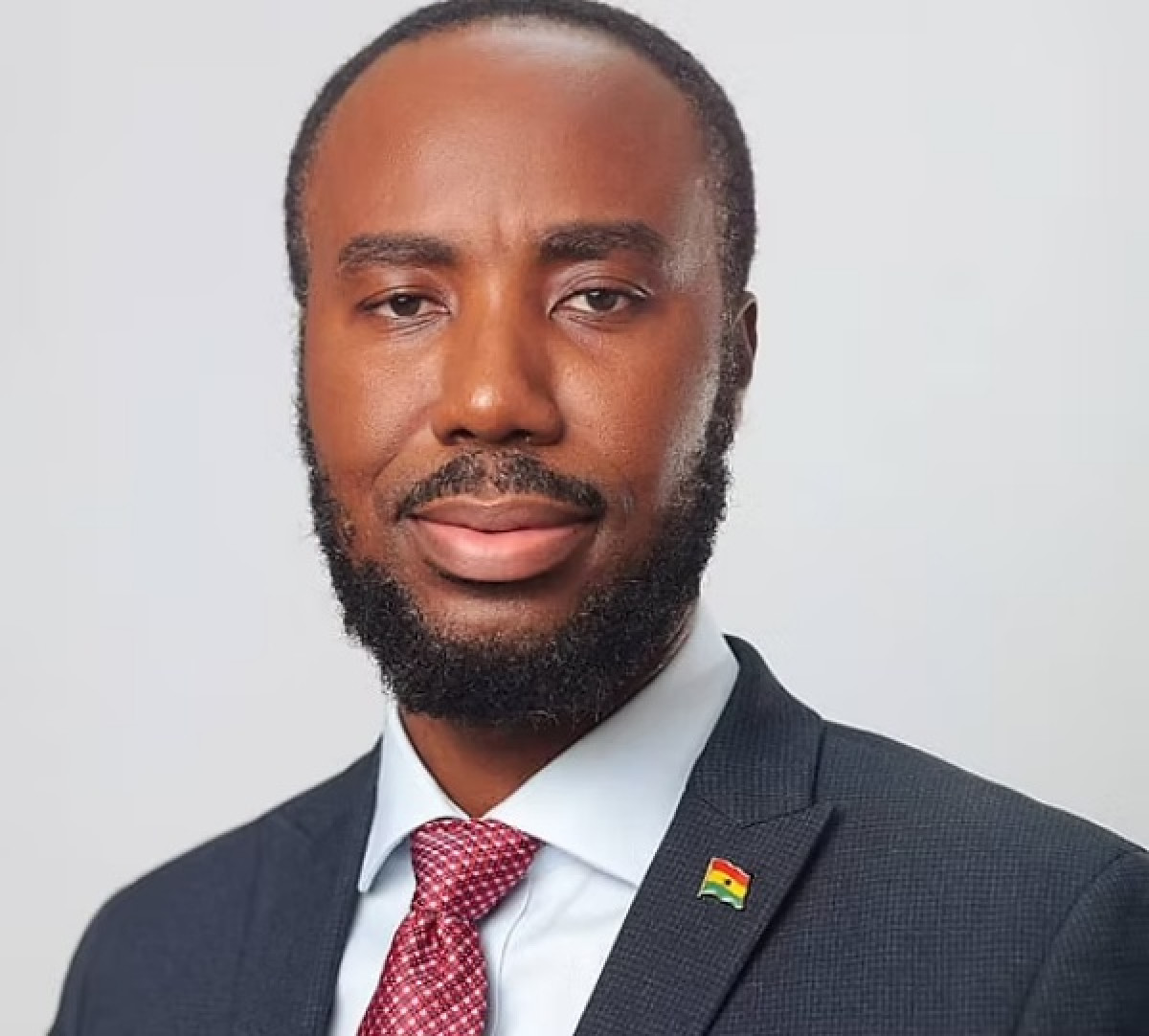
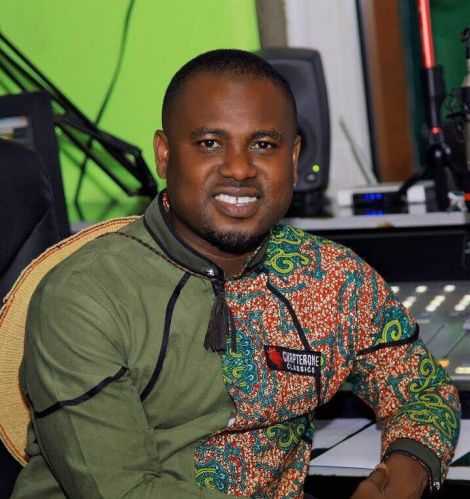
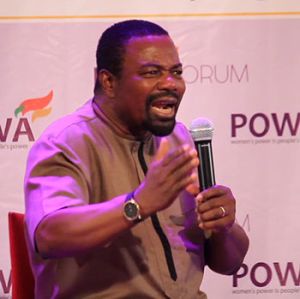
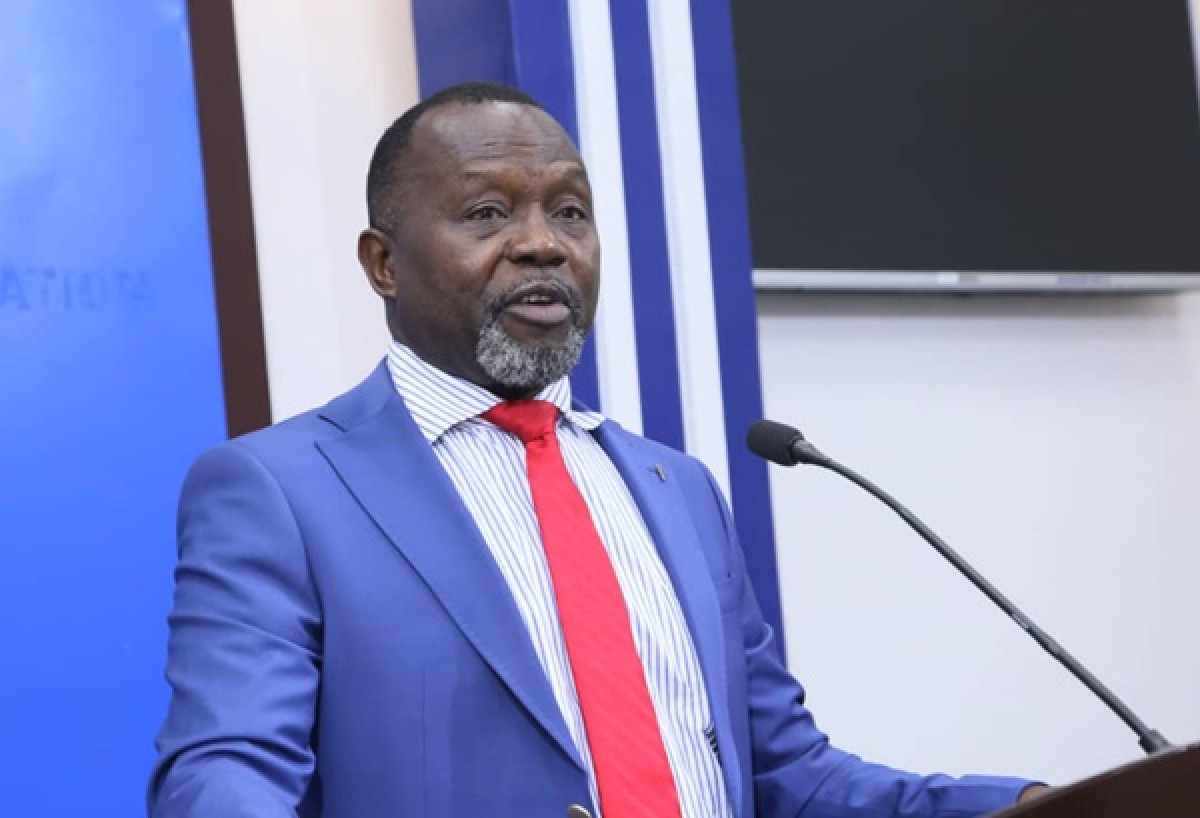
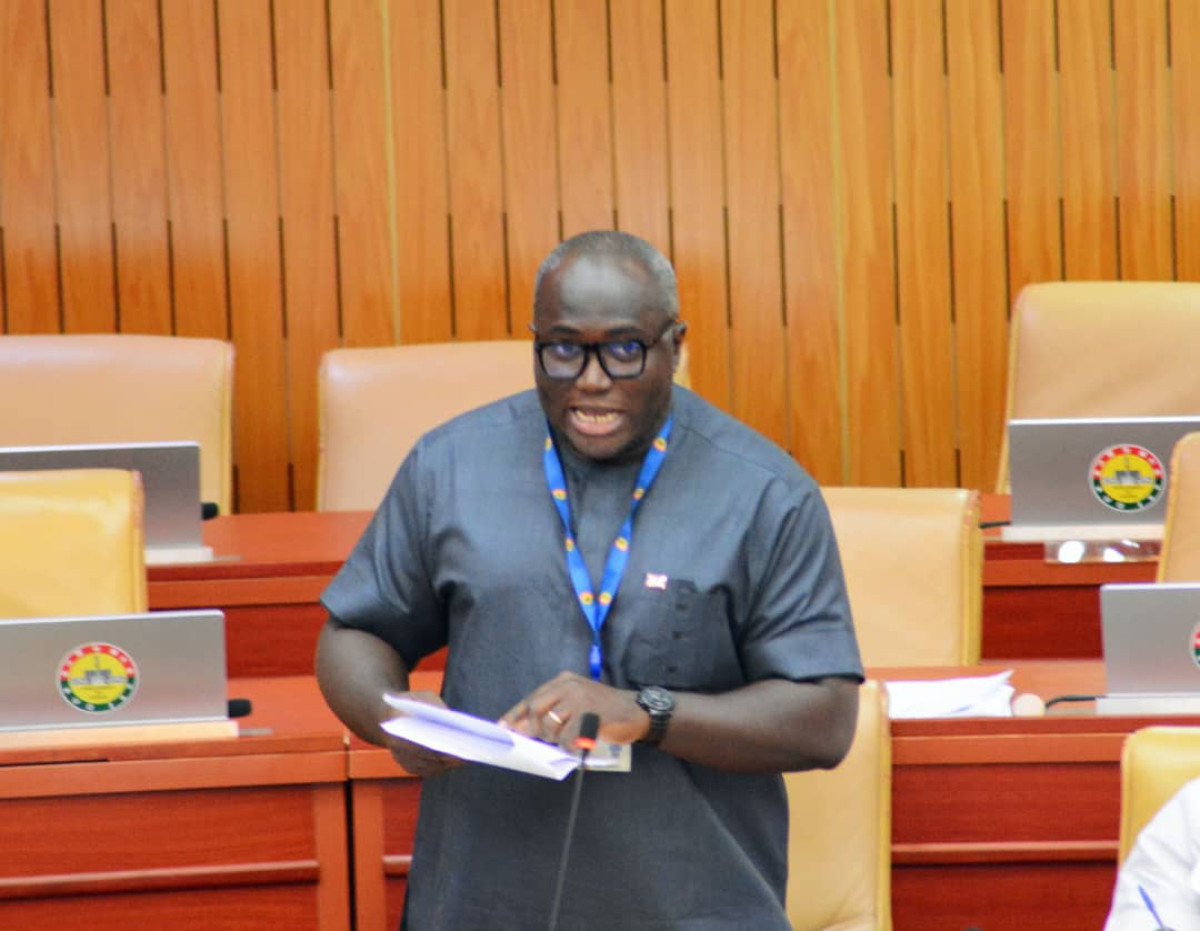
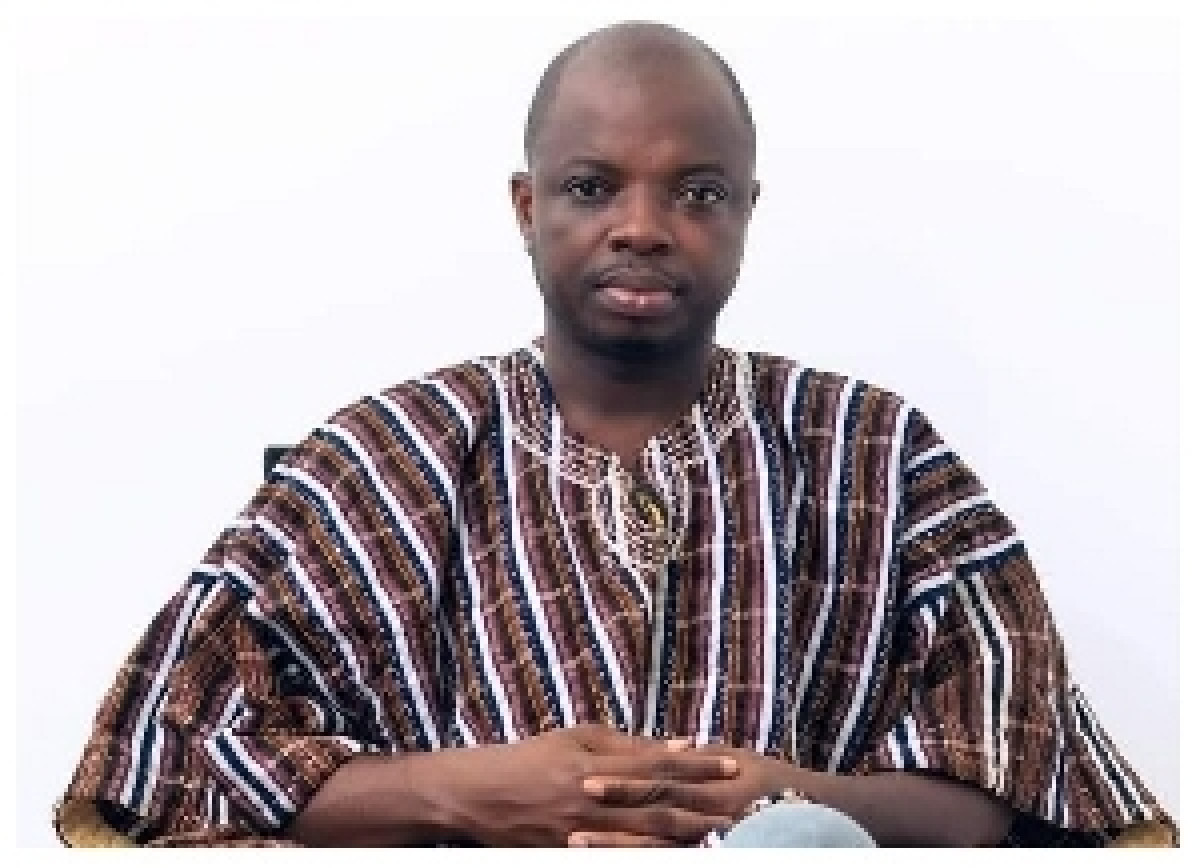
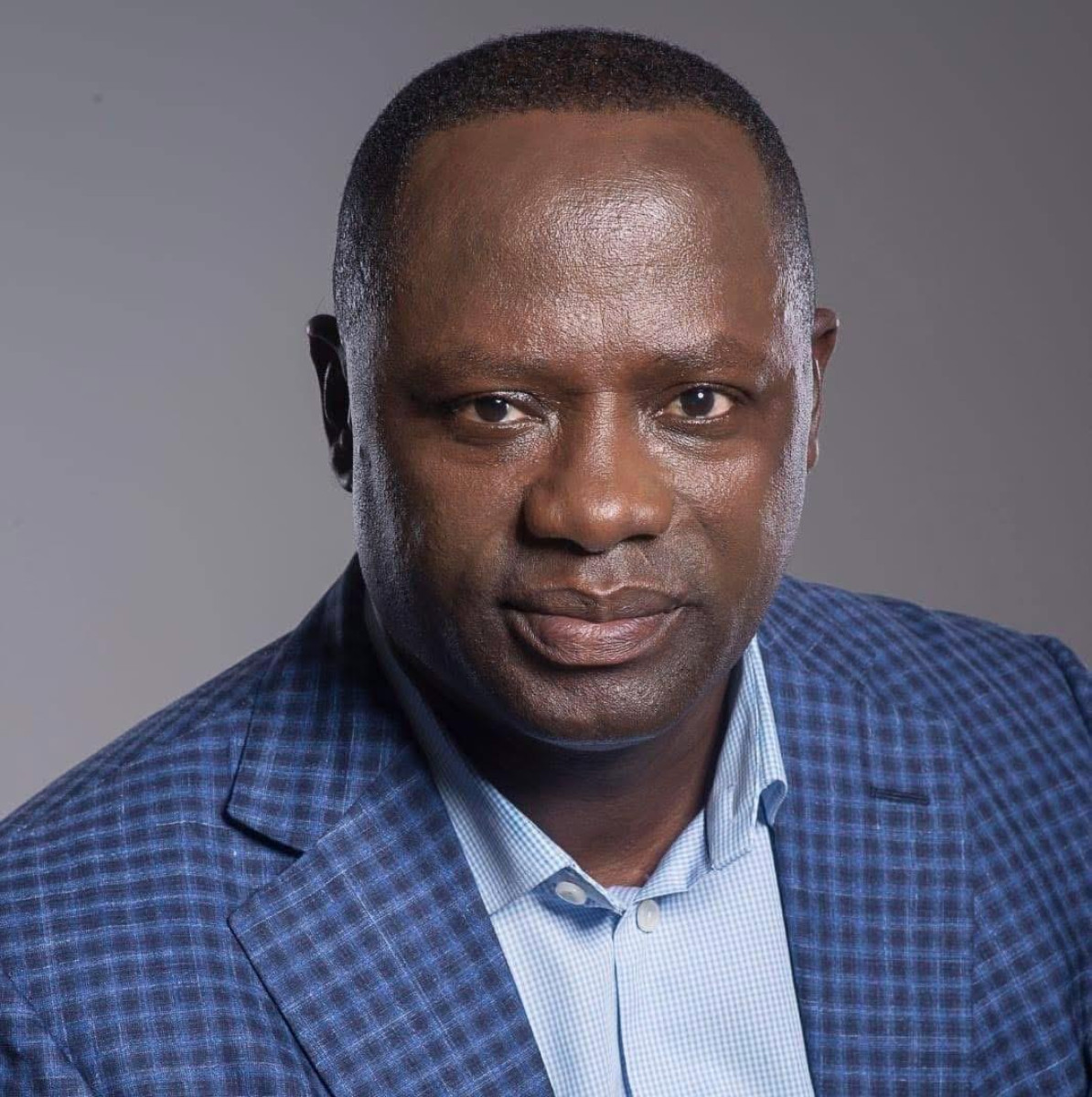
A member of the Coordinating Committee of the Pan-African Progressive Front (PPF), Kwesi Pratt Jnr, insists that a new world system based on honest principles, rather than simple monetary compensation, is needed, which will adequately atone for the injustices of colonization and the slave trade that Africa and Africans suffer from.
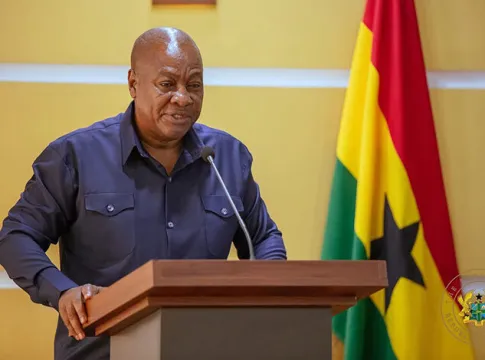
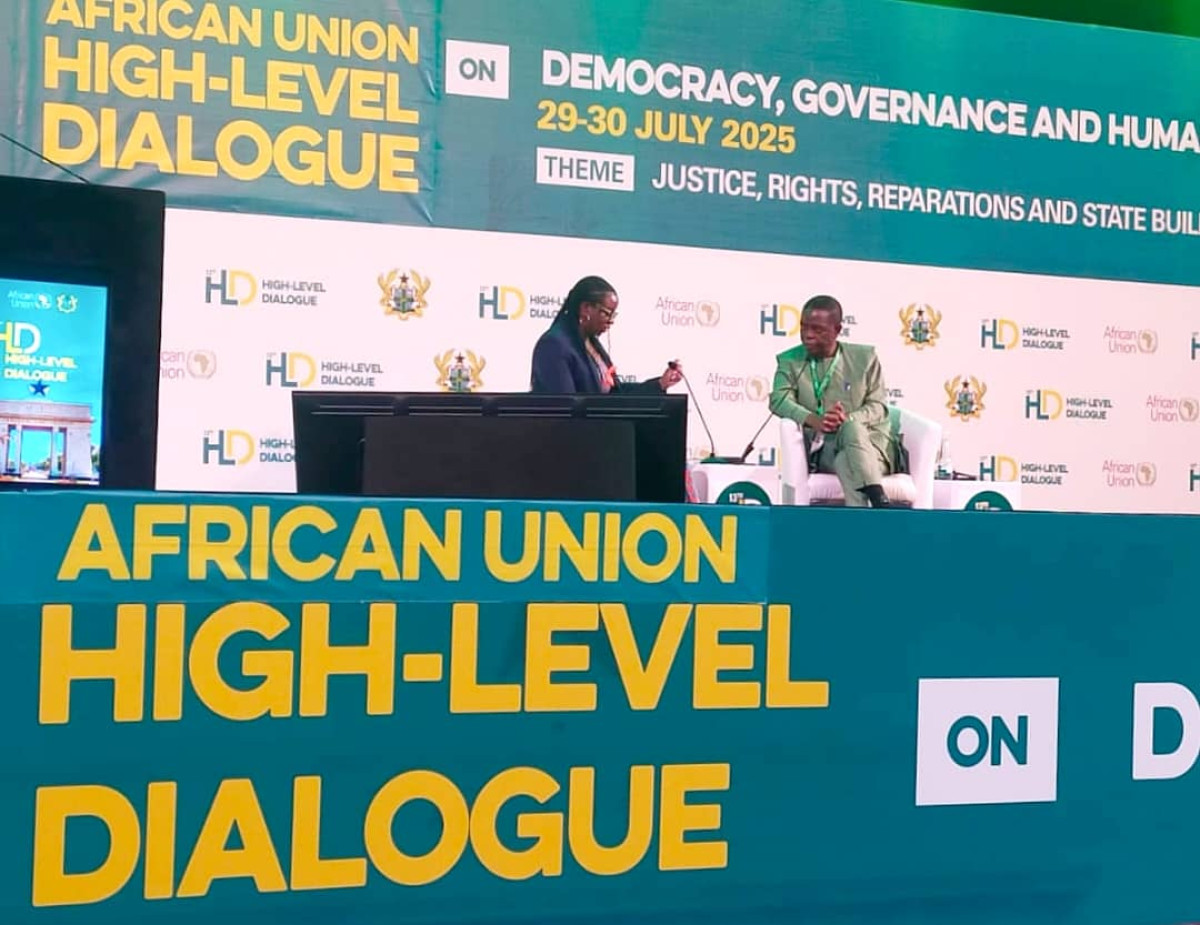
Speaking as a special guest at the 13th AU High-Level Delegation Dialogue on Democracy, Governance and Human Rights in Accra on Wednesday, July 30, 2025, Mr Pratt said monetary compensation alone would not be enough to atone and compensate for the dehumanising experiences Africa and its people went through under colonialism and slave trade. He said the world must, therefore, be reset through the building of a new system that consciously erases the atrocities of colonisation.
“The capture of (what) some estimates say 12.6 million Africans and shipping them abroad as beasts of burden and so on cannot be paid for by any monetary consideration. It cannot be paid for,” he said.
“We are talking essentially about resetting the world, about building a new world, a new world in which all colonial empires collapse.
“And it does not matter whether that colonial empire is European or African or Asian. Colonialism is colonialism whether it is perpetrated by an African country or by a European country or by an Asian country. So, reparation should mean a commitment to resetting the entire world, to building a world in which all human beings are regarded as equal and treated as equal, to build a new world in which French-speaking African countries are not compelled by anything to place all of their foreign reserves in the central bank of France,” Mr Pratt, a renowned Pan-Africanist, added.
Reparations and restitution have recently become one of the main projects of many countries, which have stepped up efforts to ensure adequate compensation for the inhumane experiences suffered by Africans at the hands of the colonial Powers.
Mr Pratt said it is the only way to reset the world into a just system, insisting that current circumstances would not permit Africa to avenge with their own compensatory colonisation of other territories.
He said the colonising power of the West committed enormous atrocities first by claiming that Africa was an uninhabited territory when they sought to invade the continent, and then claiming that the continent and its people needed civilisation.
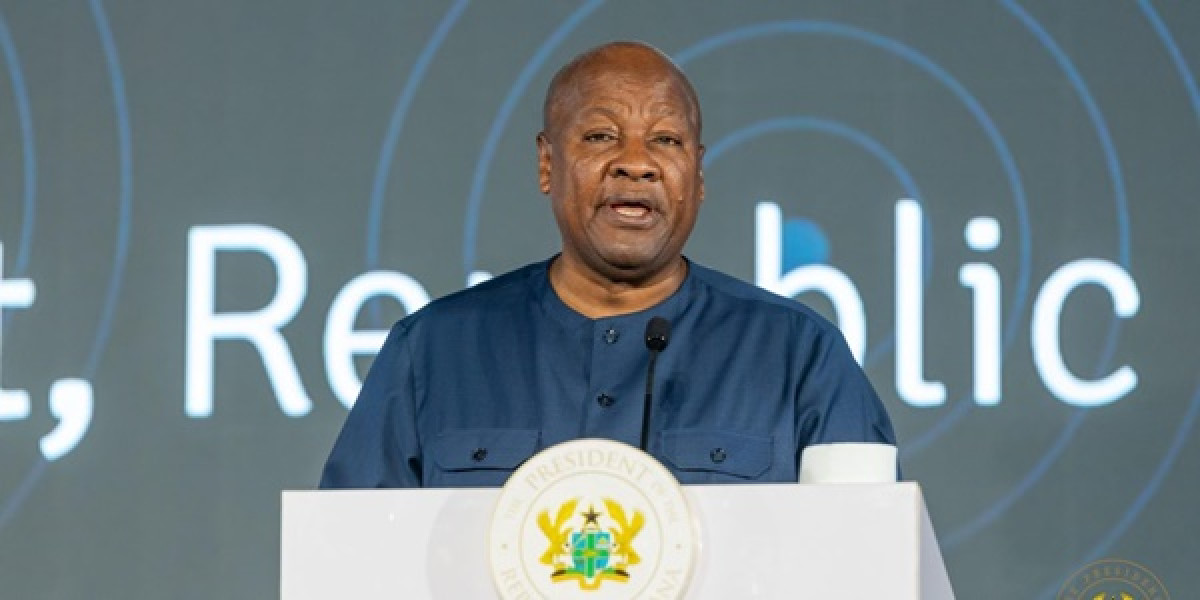
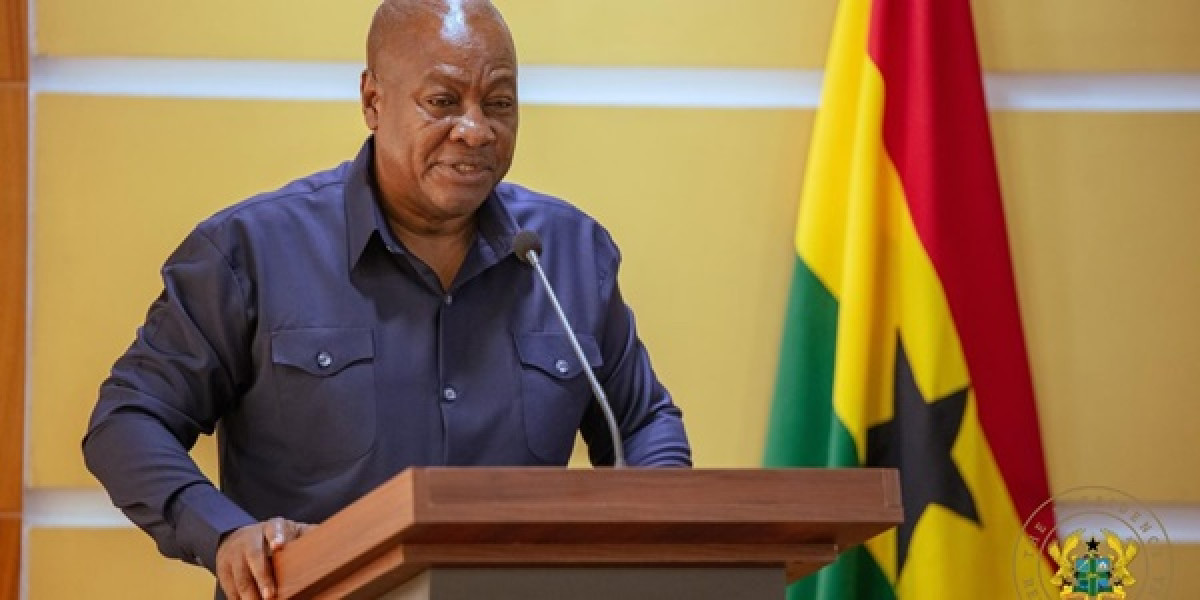
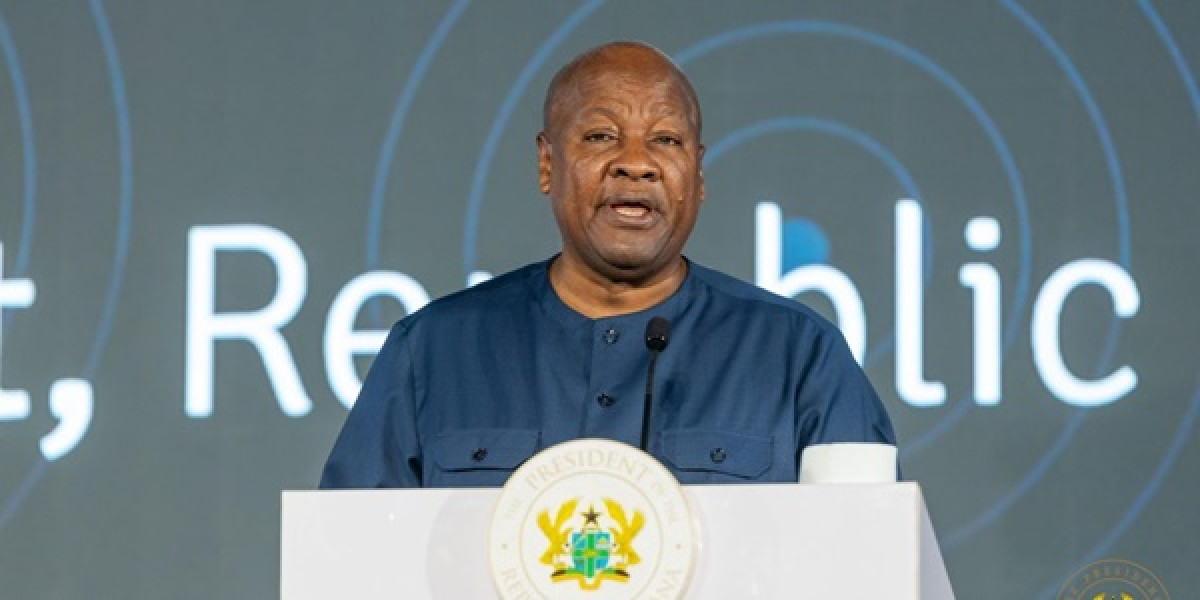
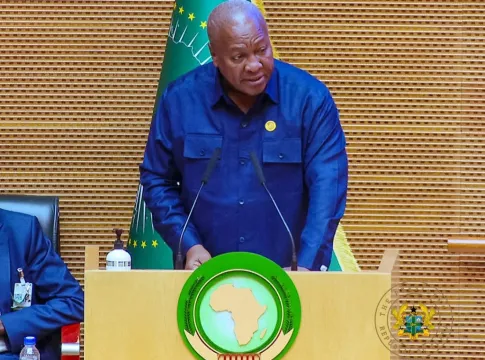
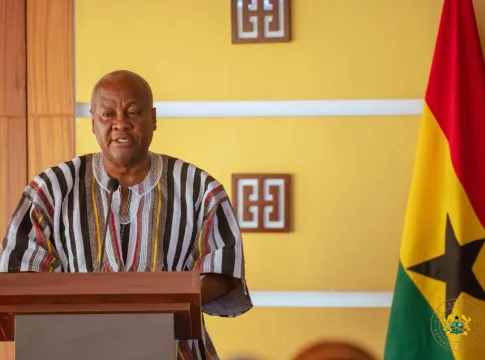
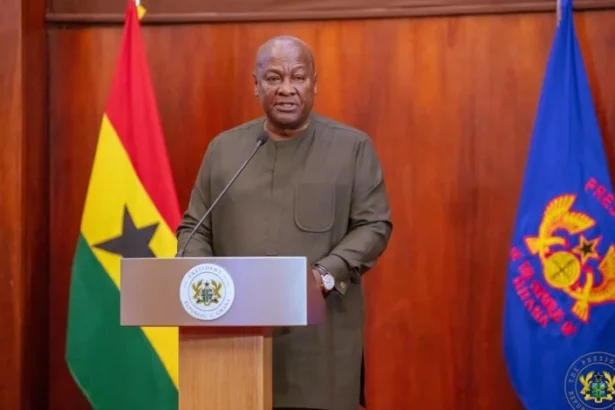
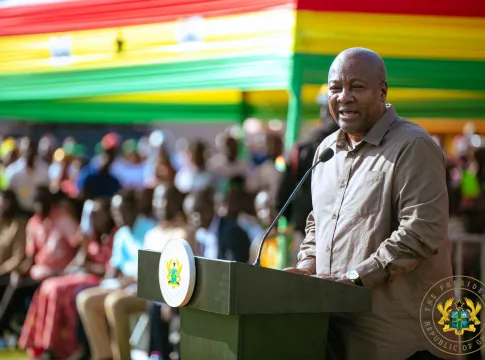
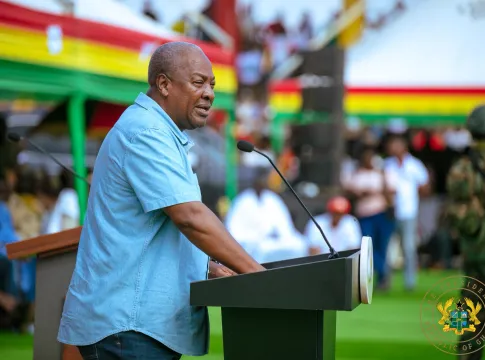
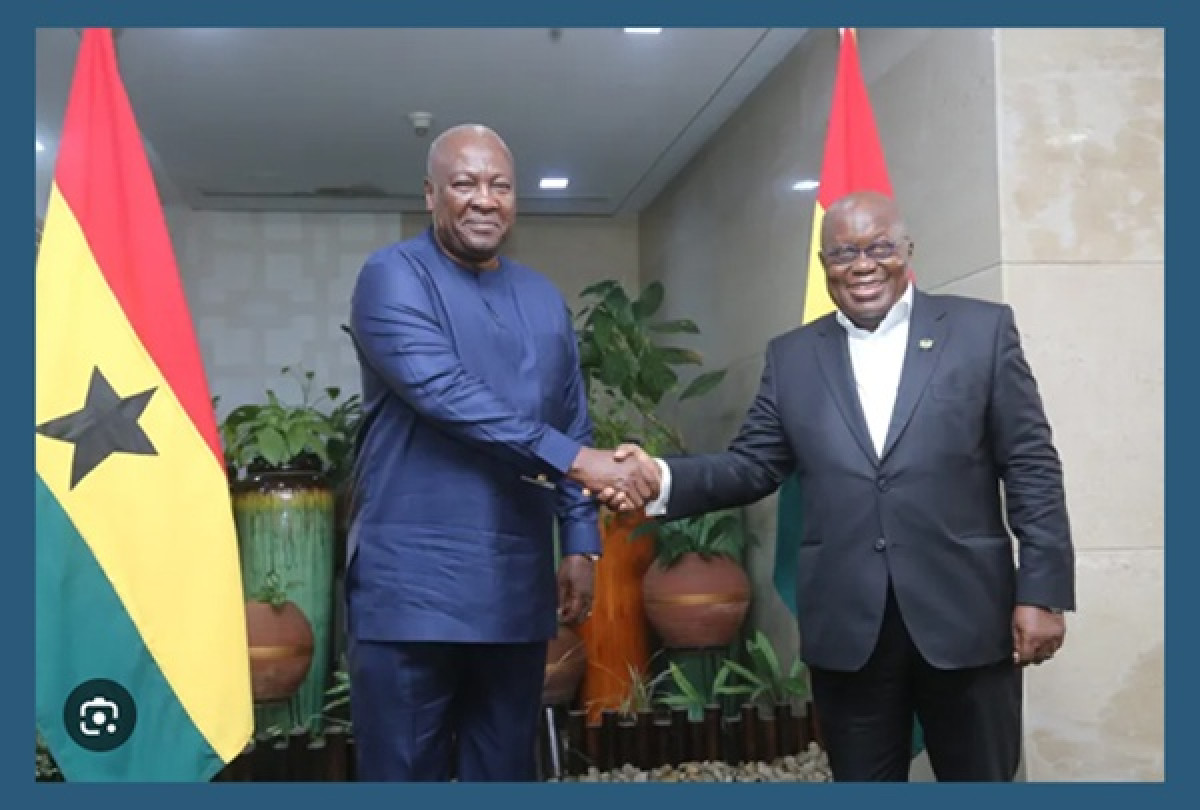
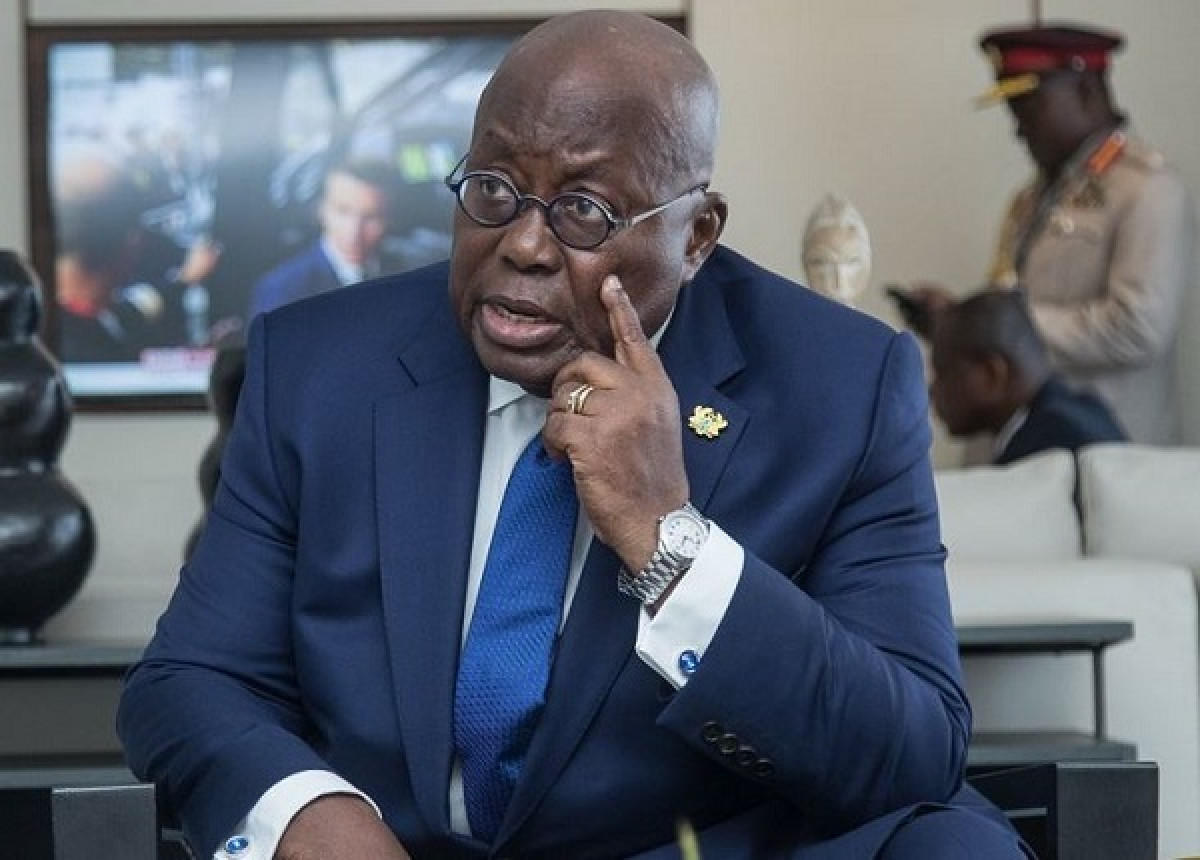
On Tuesday, July 29, 2025, Ghana’s President, John Dramani Mahama, opened the dialogue with a call on AU member states and African leaders to empower the bodies mandated to lead the charge for reparative justice to deliver.
He said the AU Executive Council’s approval of the terms of reference for the AU Commission of Experts on Reparations and the AU Reference Group of Legal Experts on Reparations was a commendable milestone that must be backed with resources.
“We must now move swiftly to personalise these instruments. We must empower these bodies with the resources, visibility, and mandate to lead us on this noble journey of truth, justice, and restitution. Let this not be another declaration left on paper; let it be a living mandate for action,” President Mahama said.
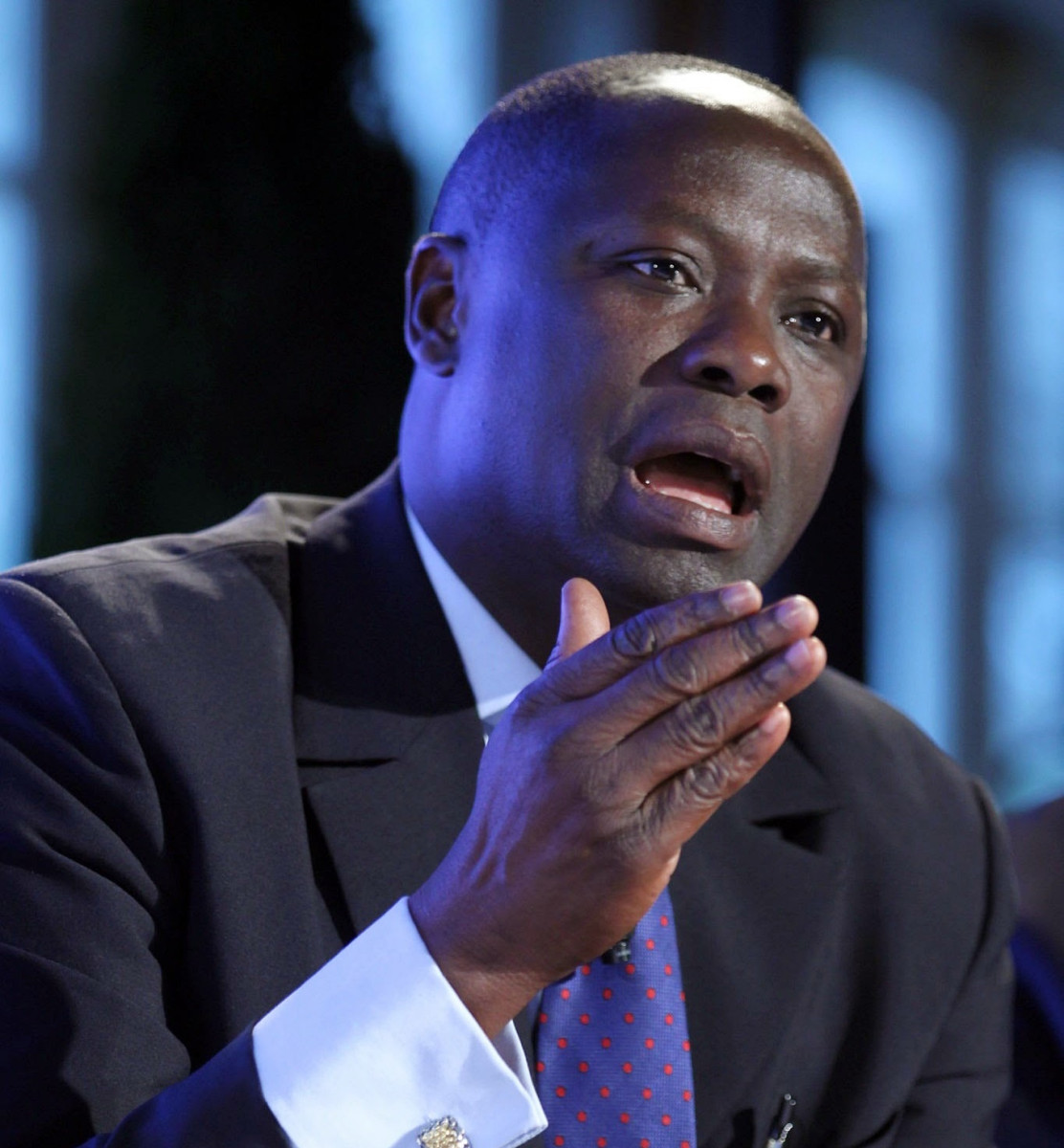
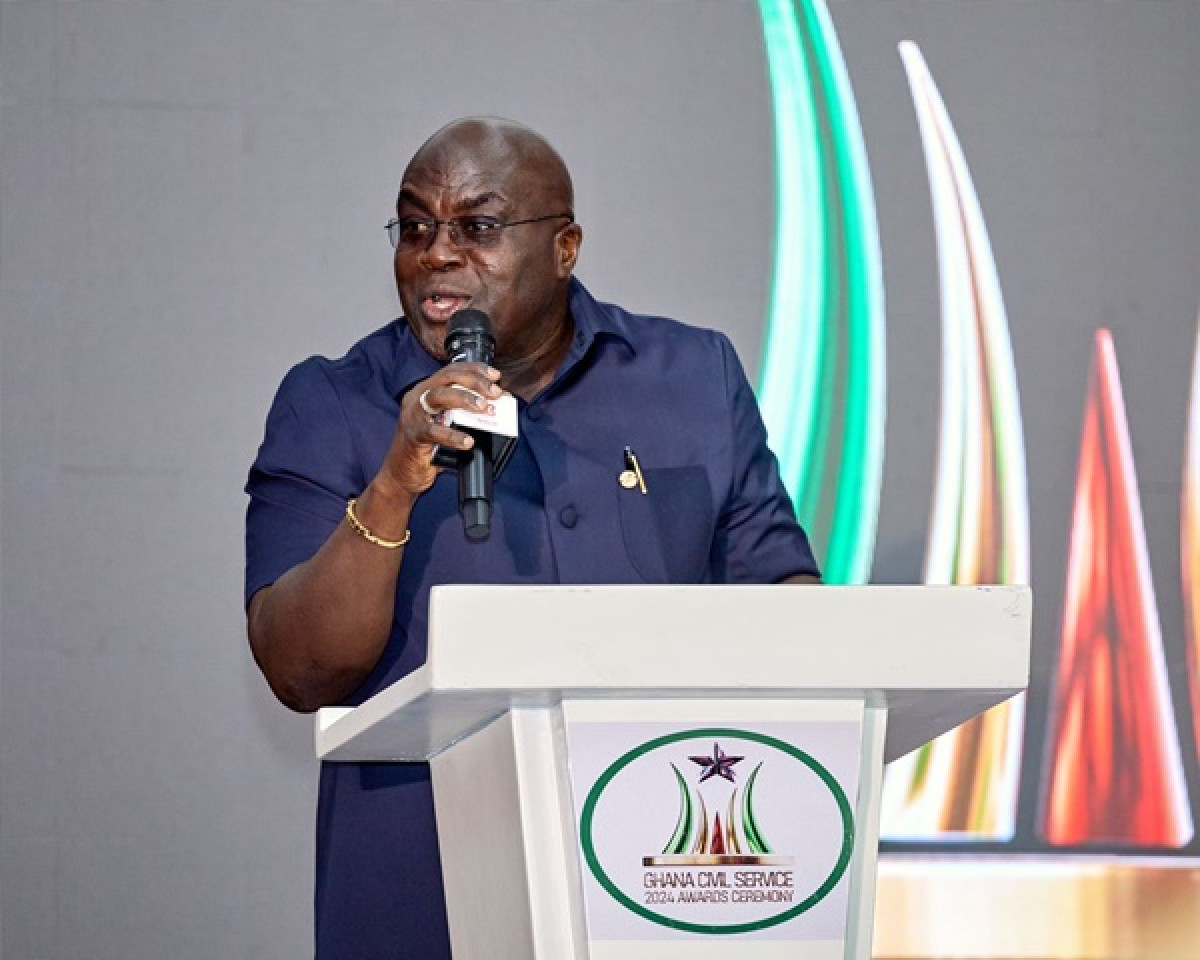
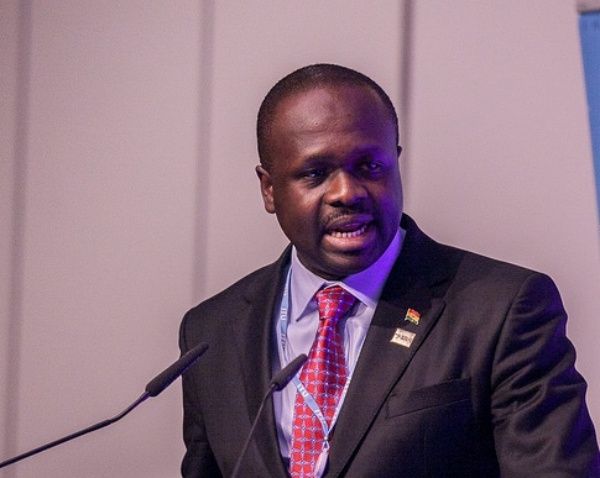
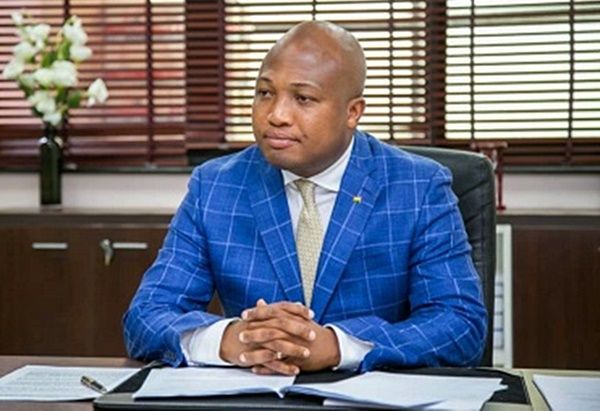
Ghana’s Minister of Foreign Affairs, Samuel Okudzeto Ablakwa, said the dialogue “emphasises that sustainable development and lasting peace must be rooted in fairness, inclusivity, and the recognition or redress of historical injustices”.
“As we contemplate the legacies of enslavement, colonialism, apartheid, and systemic exclusion, let us seize this opportunity to collaborate and envision and actively pursue a future where restorative justice moves beyond rhetorical discourse and manifest as a tangible reality for all,” he said.
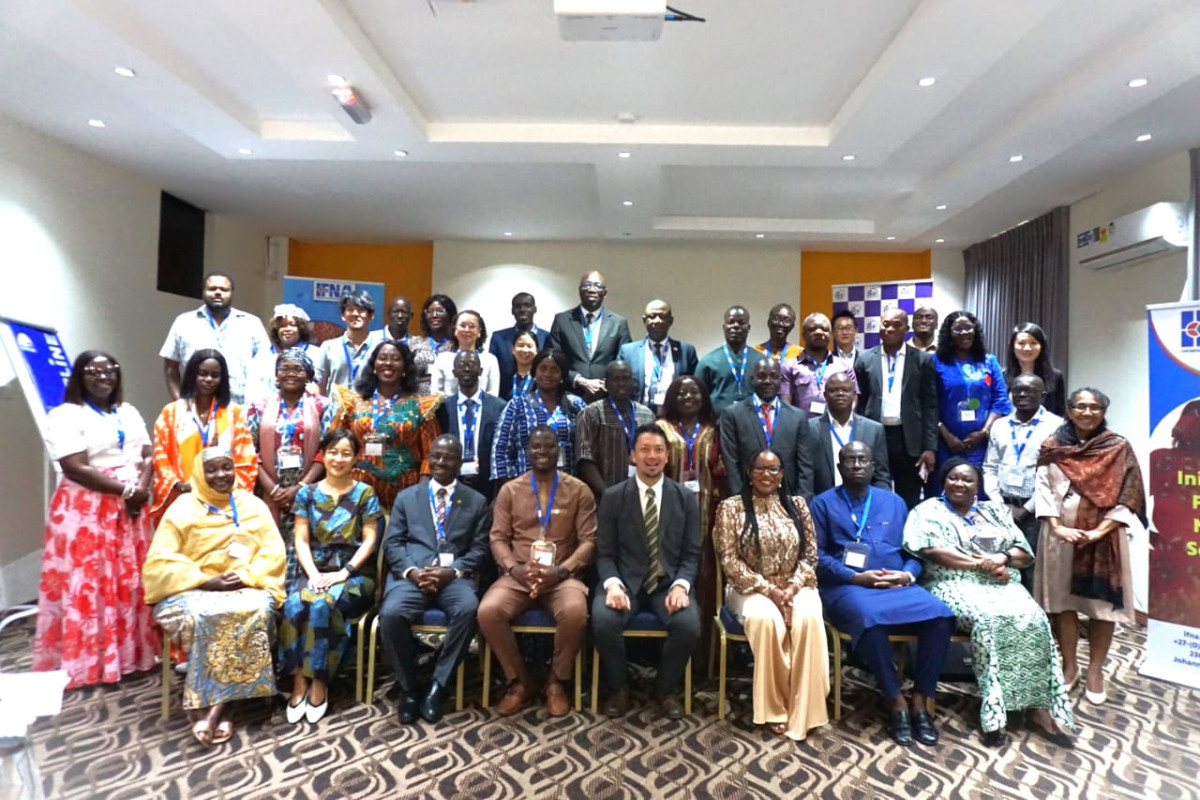
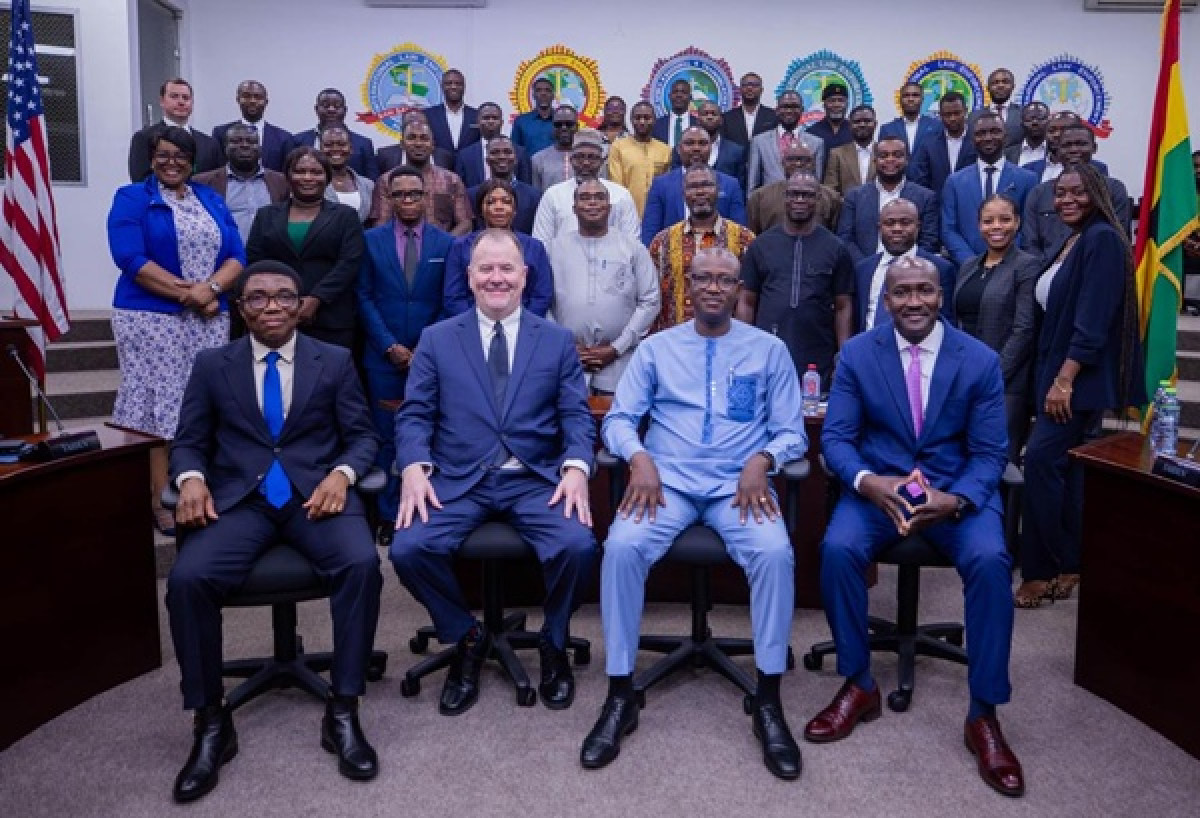
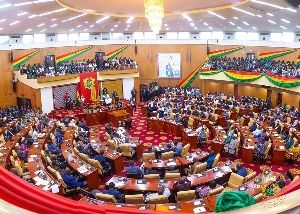
The two-day AU summit, attended by heads of state, diplomats, and civil society leaders, marked a pivotal shift in the reparations debate. No longer confined to academic circles or activist demands, the call for justice is now being institutionalized.
As the dialogue concluded, one message resonated clearly: the era of passive appeals is over. The next phase of the reparation’s movement will be defined by state-led demands, systemic overhauls, and an unflinching challenge to the global order that perpetuates colonial inequity.
The question now is whether former colonial powers will engage in good faith—or face escalating pressure from a continent no longer willing to accept half-measures.